Post Concussion, TBI / Stroke, Aphasia Recovery Made Easier
Is There Help for Brain Injuries?
Help for Adults and Children in Dublin with Recovery from Brain Injury
Recovery Starts On The Worst Day Of Your Life
Recovering from a brain injury (whether caused by an accident, illness, or sports-related impact) can be a complex and often frustrating process. Despite attending world-class hospital programs and putting in the work every day, many individuals get discharged and experience ongoing challenges with memory, focus, reasoning, and overall cognitive performance, making everyday tasks more difficult than before. No one wants to accept 30% is their new normal. Neither do we!
Supporting Recovery From Concussions and TBIs
For individuals recovering from concussions or traumatic brain injuries (TBIs), progress is often uneven. Core cognitive skills like concentration and memory may not return as quickly as hoped, which can affect work, relationships, and confidence negatively.
Brain training is not a cure for brain injuries - and it's NOT ever a first aid intervention.
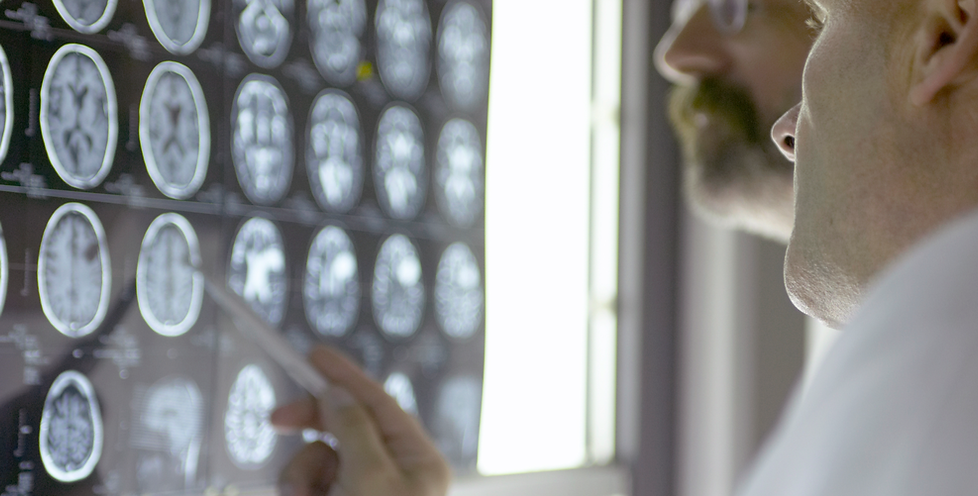
What brain training offers is a structured way to actively work on rebuilding these essential skills.
Your brain learned its core cognitive skills in a specific way the first time - through play. There's an incredibly intelligent reason for that! The brain is wired to learn through play very effectively. It's one of the reasons why our programs are successful at the level of recovery that we help people achieve. By focusing on strengthening areas like attention, working memory, and long-term memory through targeted mental exercises (and in a playful manner), we are able to re-wire the brain and get a neuroplastic effect that aids in further recovery from brain injuries. This approach helps individuals gradually improve their cognitive performance over time.
When you read "play" and "playful" - don't misunderstand us. It's still hard work. And the intensity is where the effect comes from. We have learned that playfulness in learning decreases the amount of repetition needed to get the same effect that is desired from repetition alone -- and we monopolize on that in exactly the ways that the clinical research has shown us we can get a neuroplastic effect.

A Personalized Approach
A key component of effective brain training is customization and variability. At Thinkable Learning Centre, each client begins with a detailed assessment to measure their current cognitive abilities. Trainers also take into account the individual's history and personal goals. Using all of this information, an individually tailored training plan is created to target the specific skills that YOU need the most improvement on, whether that's memory, focus, or processing speed.
This individualized approach ensures that each person receives support suited to their unique challenges. There are no cookie cutter approaches here! Listen to Stephen share his experience in this short video. Stephen suffered a stroke early in his career and married life. His situation was complicated by an AVM and required extensive brain surgery to correct. The resulting recovery process disrupted his entire life and despite completing every therapy and three different aphasia programs, he was left without language intact and without the skills he needed to live life the way he envisioned. At least, that was his story before brain training...
Research Shows Us The Way...
There are several different cognitive skills that are often problematic/weak in those recovering from concussions, strokes, and all kinds of traumatic brain injuries (regardless of cause). The most common cognitive skills that are weak in brain injury recovery are language, working memory, long-term memory, and processing speed. You may also have additional deficits, like difficulties with sustained attention, the ability to speak, and a variety of visual processing and reasoning issues.
Regardless of which unique set of deficits/ cognitive weaknesses that your injury may have left you with, it's our experience that standard hospital programs often do not or cannot get survivors back to 100% function. Many people are told they must live with diminished capacity in ways that are catastrophic to the way they wish to live their life. Sometimes that means finishing a hospital-based treatment with only 30% of language skills intact, like Stephen in the video experienced after he finished three different aphasia programs. Three!! Other times, it might mean that memory isn't reliable and communication challenges persist...and you don't know where else to turn.
Take a look at one small study we've recently engaged in that shows before/after results for our brain training program. Please note that these results involved our 96 hour program and that shorter duration programs would provide less benefit. Some survivors (especially those with significant langauge impairment) may actually opt for our 120 hour reading program to redevelop English proficiency further. We like to show people what results are possible. From there, you can choose the intervention you feel is most appropriate. We are always happy to walk you through cognitive assessment results and make suggestions based on our experience as well.

Measurable Improvements
Research into brain training from a variety of sources has shown promising results for individuals with mild TBIs. In one study, the participants who completed a structured training program reported significant improvements in:
-
Memory skills
-
Work performance
-
Confidence
-
Perseverance
-
Attention span
Further findings indicate that adults with traumatic brain injuries often experience the greatest gains in long-term memory, auditory processing, and sustained attention following consistent training.
Real Impact on Everyday Life
Beyond measurable outcomes, brain training can also have a meaningful impact on a person's overall well-being. One client described their experience after completing training following a TBI as life-changing, noting increased happiness, confidence, and a renewed sense of self. Friends and family even observed a positive shift in personality and energy.

Moving Forward
For those navigating life after a brain injury, targeted cognitive training offers a proactive and supportive path forward. While individual results may vary, structured programs can help rebuild essential mental skills, restore confidence, and improve quality of life over time.
Our customers tell us more than the research....and for them? The results are clear!
The outcomes we witness every day are incredibly compelling. Our students work hard and the hard work pays off. We've worked with people recovering from all kinds of injuries and we see brain training rewiring brains when it's done in a specific way using the right tools. Don't accept any substitutes to the rigorous research-backed methods. That's what we offer. Nothing more -- nothing less.
We know it's hard to research the help you need when your brain is what needs help. We have so much compassion for the difficulties survivors of brain injuries experience. We want you to achieve your greatest potential and meet all of your goals. We're just here working with another student until you get in touch. We're ready when you are.
We can help. We mean it.

How does it work? Three Steps. That's All It Takes. Our expert team guides every student (and their parents/partners!) through a three-step process: Assessment, engagement about the Results, and then Training for Strength. Each step is entirely personalized and crafted to the student's specific learning needs as identified by our world-class assessment. This process allows us cater to individual cognitive skill combinations that are unique to each individual. The outcomes our students enjoy as a result of completing our brain training programs include: increased processing speed, memory, attention, and all aspects of the cognitive learning process -- benefits that group work and private tuition can never meaningfully offer. Most students also get the secondary advantage of a measurable increase in reading proficiency!
We Do Things Differently At Thinkable!
Step One
Assessment is key. We evaluate every student's auditory, visual, memory, attention, language, & critical thinking skills. The cognitive skills results will outline their core strengths and areas for improvement (qualitatively & quantitatively), often validating concerns in specific & measurable ways.
Step Two
Programs are personalized. What you need -- nothing less, nothing more. Once skill differences are identified, we customize the brain training program that can target learning challenges. Interactive sessions keep students motivated and engaged, slowly building confidence in their new abilities.
Step Three
Train the brain! Repetition and intensity are the key to achieving a neuroplastic effect from brain training. Our trainers work with a singular focus of creating lasting outcomes by using the best neurocognitive methods available in our programs. Our activities are fun, engaging, and challenging.
No Two Brains Are The Same!
Because no two brains are the same (not even in identical twins!), no two programs will be either!
Thinkable specializes in creating bespoke programs that address this reality, but even moreso for students with TBI / Concussion / Stroke challenges. Our brain training focuses on using evidence-based interventions backed by years of robust neurocognitive research. One of our favorite program offerings, BrainRx cognitive skills training, has become quite popular among survivors of brain injuries in Dublin. Thinkable is the only fully-licensed and expertly-trained BrainRx provider in Dublin. Accept no substitutes!
In addition to BrainRx programs, Thinkable also offers a special auxiliary reading program (ReadRx) to assist with reading challenges that are commonly associated with brain injury. The program literally codes the entire English language from start to finish. Thinkable is the only provider of ReadRx in Ireland - there are no direct comparisons to it on the island! Parents and teachers in particular may be familiar with Orton-Gillingham methods, which are foundational, teacher-led, and take a multisensory approach to teaching reading and spelling (and they would be delighted to learn that ReadRx combines these structured literacy principles with simultaneous cognitive skills training for better outcomes than either intervention alone can provide.) The result of the cognitive brain training toolls we us is clear: confident and capable readers who can communicate better, think faster, and perform well.
Primary & Secondary Benefits of Brain Training
Attention or memory gains may be the primary benefit you are looking to achieve with a brain training program, but their are a myriad of secondary benefits -- from increases in IQ (Thinkable exceeds the average IQ increases!), to significant improvements in emotional regulation and/or impulse control.
None of these may seem secondary for the students (or parents) currently navigating these struggles, but they are just a few of the additional perks you are likely to experience from completing one of our brain training programs. We mask challenging with fun, repetition with play, and we keep students engaged with interesting tasks that they look forward to in their sessions. Don't get us wrong -- our programs are hard work and our students earn every single success that they achieve. We celebrate those successes with them every step of the way. Of course individual results may vary. We’d love the opportunity to work with you and your student see what successes lie ahead.